Read Reason · Rewrite Chromatin

Research

Chromatin — its 3D folding and its epigenetic state — sets the rules of gene regulation. We read those rules in single cells, with multimodal imaging, and rewrite them into precise tools for genome and epigenome control.

Reading the rules of chromatin regulation — and rewriting them

Chromatin — its 3D folding and its epigenetic state — sets the rules of gene regulation. CODE Lab works to read those rules and rewrite them. We observe chromatin organization directly, in single cells, to understand how 3D structure and epigenetic modifications control gene expression, and we turn that understanding into precise, programmable tools for genome and epigenome control. Discovery is led by ORCA-based multimodal spatial imaging of DNA, RNA, and protein, complemented by bottom-up synthetic biology that rebuilds regulatory logic from minimal parts.

Read

What is chromatin actually doing?We observe chromatin where it acts, in single cells. Our flagship is ORCA-based multimodal spatial imaging of DNA, RNA, and protein in the same cell — backed by spatial transcriptomics, flow cytometry, qPCR, Western blotting, nanopore and next-generation sequencing.

Reason

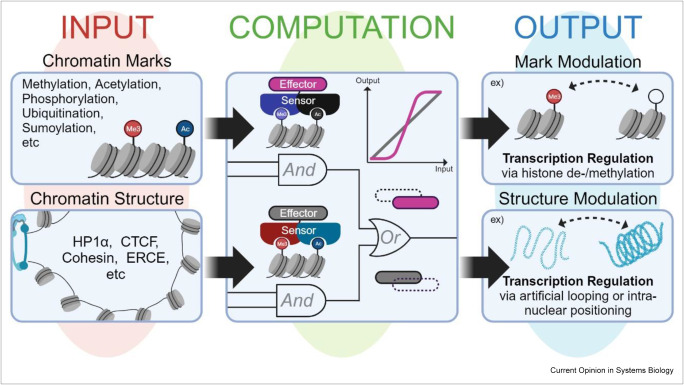
What rules explain it?Using bottom-up synthetic biology, we rebuild epigenetic regulation from minimal parts to find the principles — the read–write logic and memory — sufficient to explain it, supported by computational modeling.

Rewrite

Can we program it?We build what the rules predict: programmable genome- and epigenome-engineering tools for precise, durable control of gene expression — toward new therapeutic strategies.

Read

Seeing chromatin — multimodal spatial imaging & the 3D genome

  • ORCA (Optical Reconstruction of Chromatin Architecture): single-cell 3D chromatin tracing by super-resolution imaging
  • Multimodal spatial imaging of DNA, RNA, and protein in the same cell
  • New imaging-based methods and tools for discovery
  • Linking 3D organization and epigenetic state to gene regulation
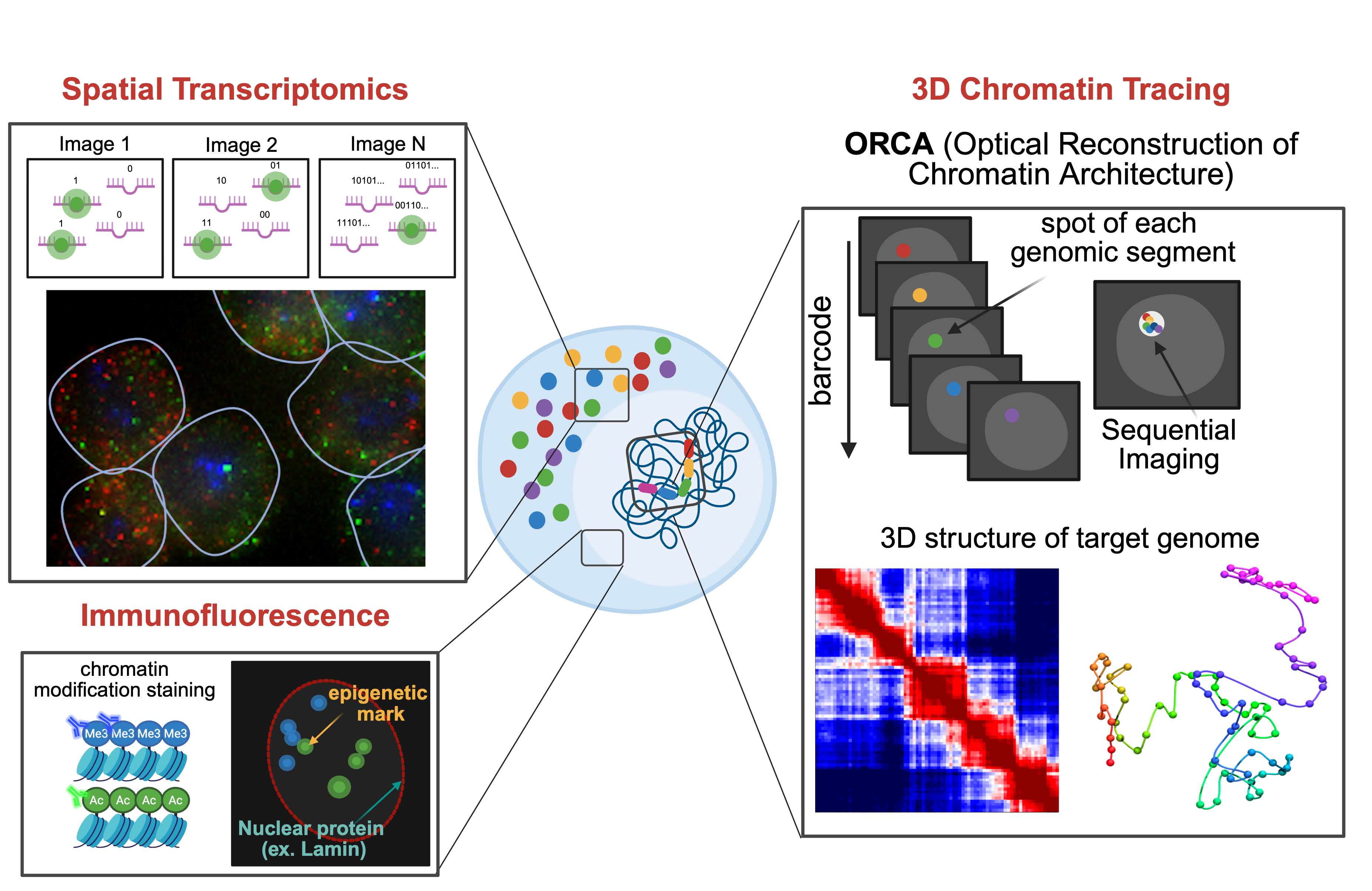
Multimodal spatial imaging and 3D chromatin tracing

Reason

Decoding the rules — synthetic biology & modeling

  • Bottom-up synthetic epigenetic systems in mammalian cells
  • Read–write mechanisms and epigenetic memory
  • Minimal mechanistic rules sufficient for regulation
  • Synthetic biology integrated with computational modeling
Synthetic epigenetic circuit design

Rewrite

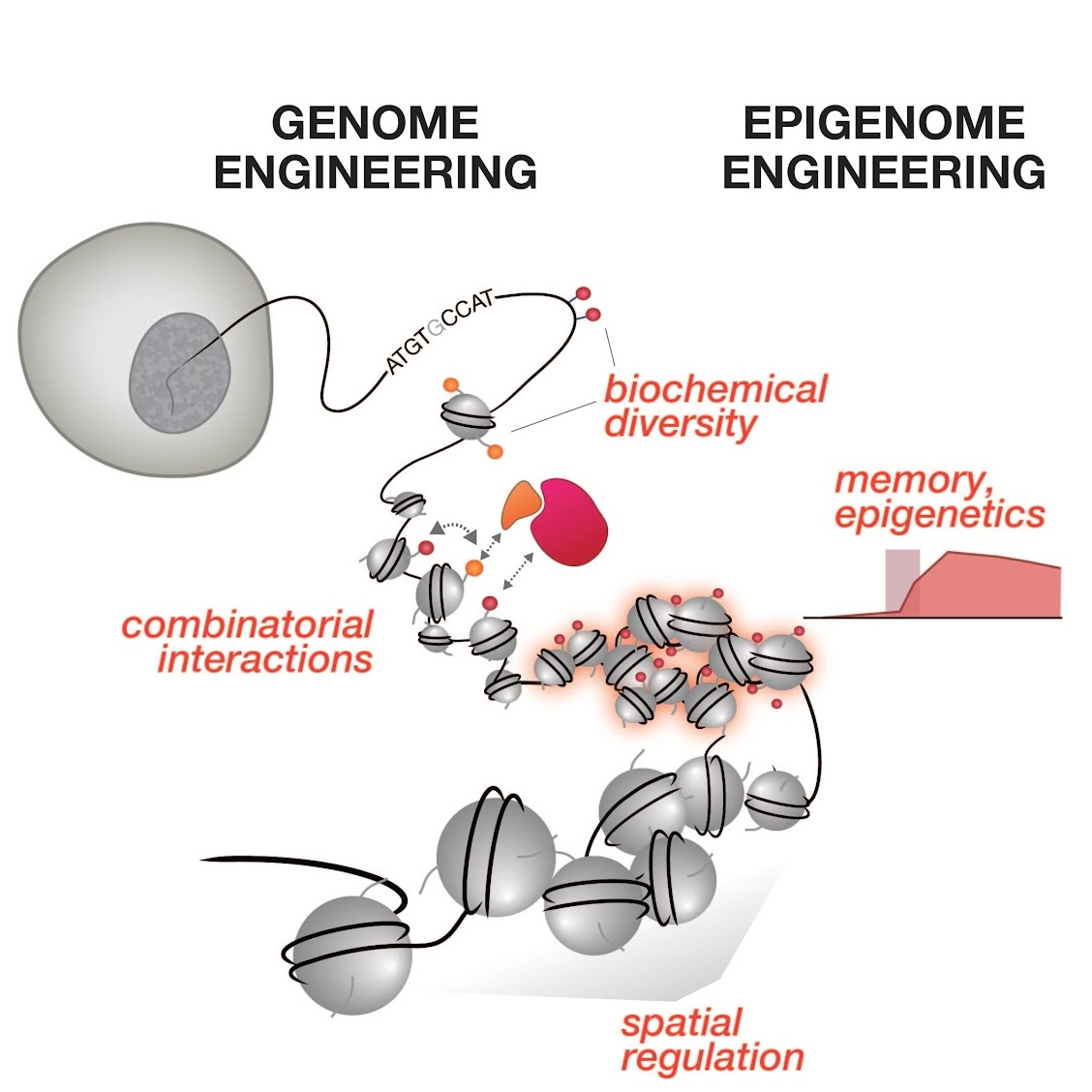
Engineering genomes & epigenomes

  • Programmable epigenetic memory for cell therapy
  • Genome and epigenome editing of pathological states
  • Next-generation tools and platforms for predictable gene/epigenome control
Genome and epigenome engineering